Context
Customer support agents often operate under intense time pressure while handling complex and emotionally charged conversations. During live calls, agents are expected to listen carefully, understand the customer’s issue, search for historical data, interpret policies, and provide accurate solutions, often while switching between multiple systems.
This fragmented workflow creates several challenges:
- High cognitive load during live interactions
- Time wasted searching across tools for customer, order, and payment data
- Inconsistent resolutions due to unclear or hard-to-access policies
- Longer handling times and higher re-contact rates
As support volumes grow, these inefficiencies directly impact both customer satisfaction and operational costs.
Competitor's Analysis
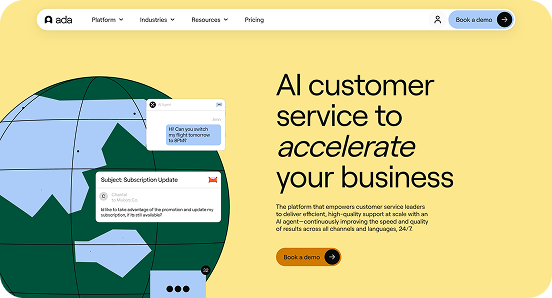
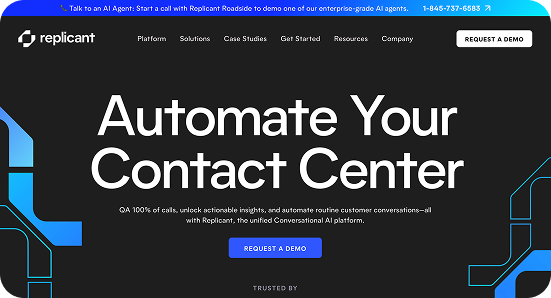
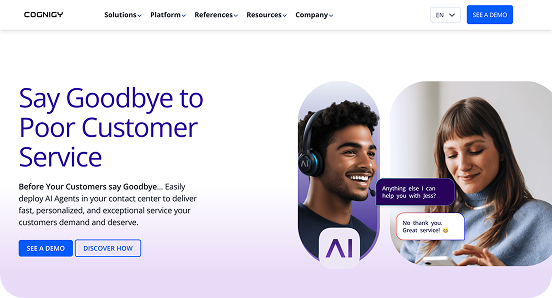
To ground the solution in real-world patterns, I reviewed how modern support tools and AI-first assistants handle live interactions, context retrieval, and agent guidance.
The goal wasn’t to copy interfaces, but to identify interaction standards, failure modes, and trust patterns that repeatedly show up in high-stakes support environments.
The calculation process
The procedure's registration main feature of the AnestPlan app was first designed following the specifiations required to automatically calculate the proceedure's final price, such as time and proceedure's duration, age, gender and patient's weight, numbers and quantity of anesthesias’ codes and many others.
To calculate the price of an anesthesia procedure, it is necessary to follow these steps:
Product Hypothesis
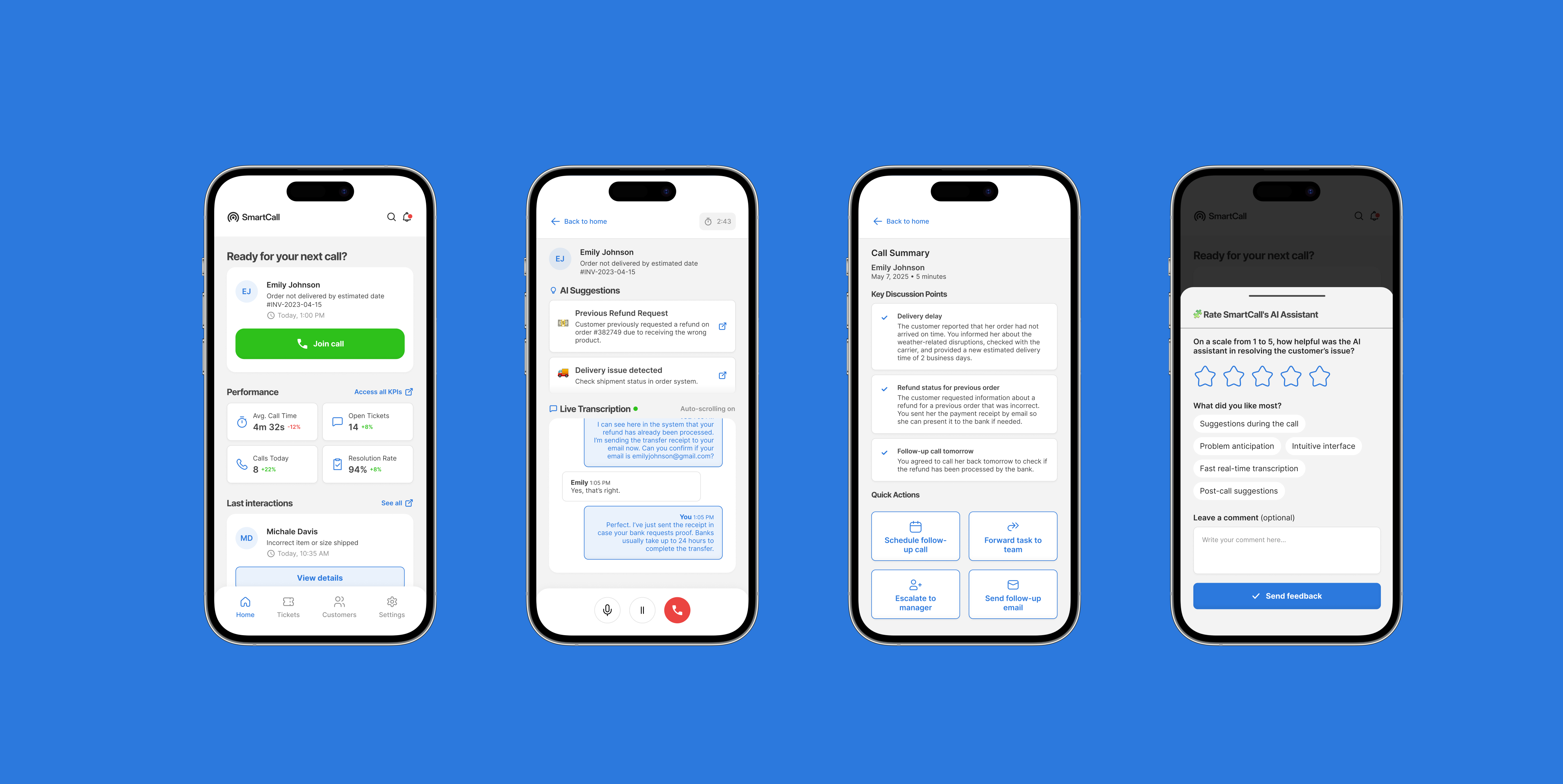
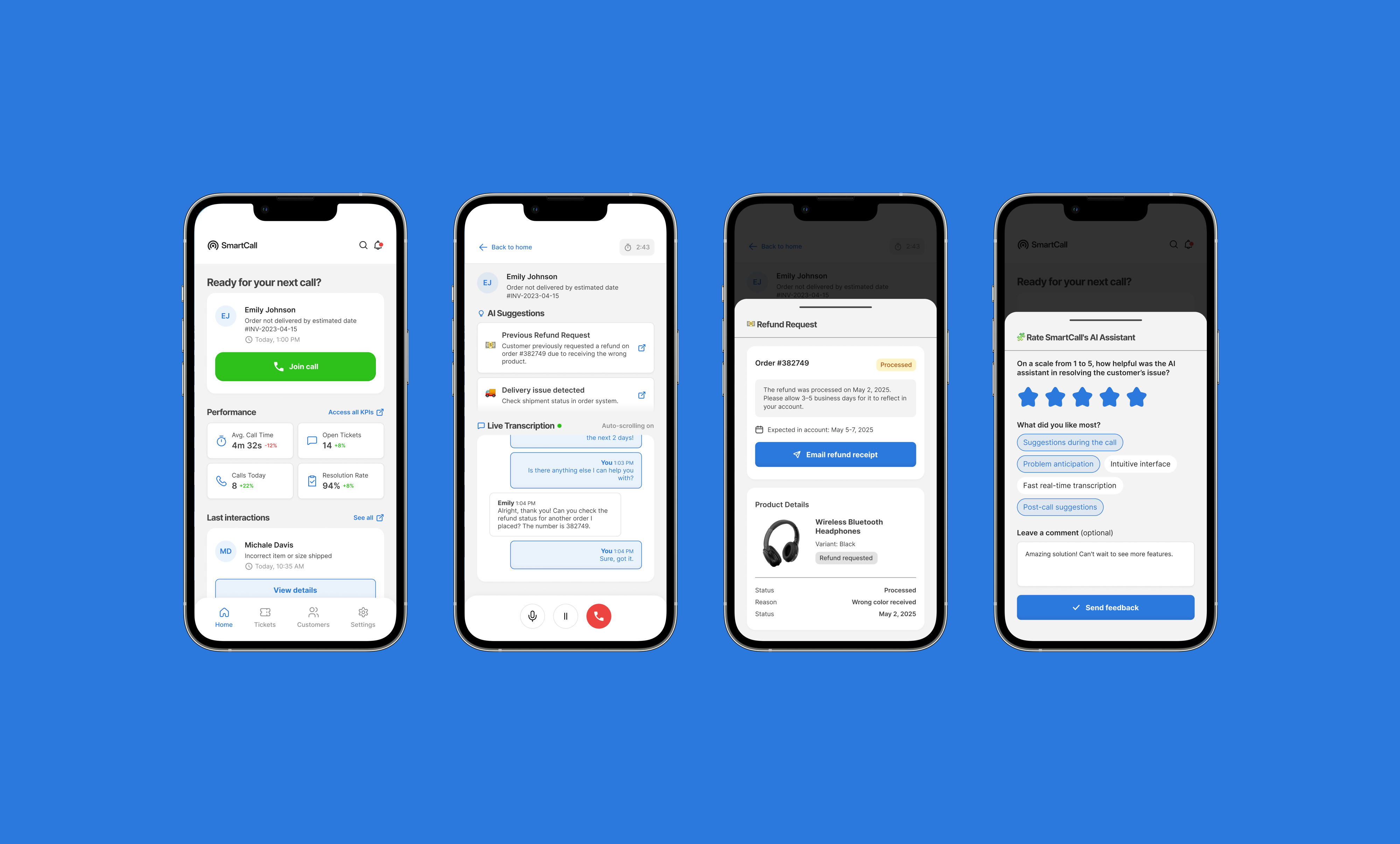
If we develop a mobile-first support app that enhances live calls with AI-powered tools, including pre-call customer insights, real-time transcription, contextual smart suggestions, and automated follow-up options, then we can reduce average call duration by 20 - 30%, improve follow-up consistency by 40%, and increase customer satisfaction by 15 - 25%.
experiment
expected outcomes
1
Code consulting
They may vary according to the anesthetic classification, from 0 to 8 – the higher the number, the more expensive
They may vary according to the anesthetic classification, from 0 to 8 – the higher the number, the more expensive
2
Consider 100% of the value of the anesthesia with the highest classification
The values of the other anesthesias will be added: - 50% if performed at the same incision site; - 70% if performed at a different incision site
The values of the other anesthesias will be added: - 50% if performed at the same incision site; - 70% if performed at a different incision site
3
Double the total amount
In the case of a child weighing less than 2.5kg or if in a private room
In the case of a child weighing less than 2.5kg or if in a private room
4
Add 30% to the total amount
If the anesthesia classification is 7 or 8;
In the case of extracorporeal circulation;
In neonatal surgery;
In the case of gastroplasty for morbid obesity;
For surgeries lasting more than 6 hours;
For emergency surgeries between 7 PM and 7 AM from Monday to Saturday or at any time on Sundays and holidays.
If the anesthesia classification is 7 or 8;
In the case of extracorporeal circulation;
In neonatal surgery;
In the case of gastroplasty for morbid obesity;
For surgeries lasting more than 6 hours;
For emergency surgeries between 7 PM and 7 AM from Monday to Saturday or at any time on Sundays and holidays.
Product Goals
This project explores how an AI-assisted support agent could improve the quality and speed of customer service while preserving human judgment and accountability.
Primary goals:
- Reduce time to resolution (TTR) and average handle time (AHT)
- Improve first-contact resolution
- Lower cognitive load for support agents
- Increase consistency and policy compliance across interactions